Our Gas Bottles By Use

Which Gas Bottle Do I Need?

If you are choosing a bottle for the first time, start with the appliance rather than the bottle. Your BBQ, patio heater, camping stove, caravan appliance or garden equipment will usually state the gas type, regulator and compatible bottle size required.

Once you know what your appliance needs, you can choose a bottle based on how often you use it, where it will be stored and how easy it needs to be to move.

Use case Recommended gas type Common sizes Best for
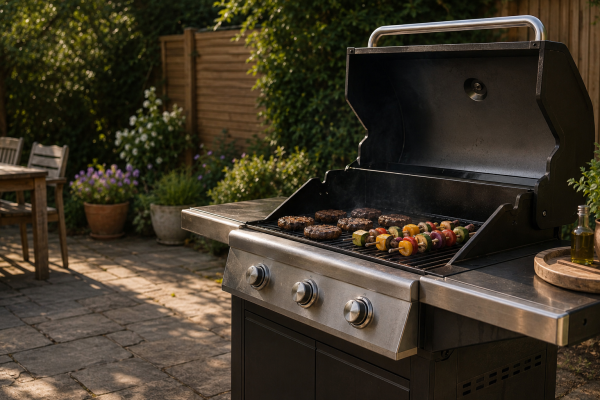
BBQs Patio gas or propane 5kg and 13kg Garden cooking, outdoor kitchens and regular BBQ use
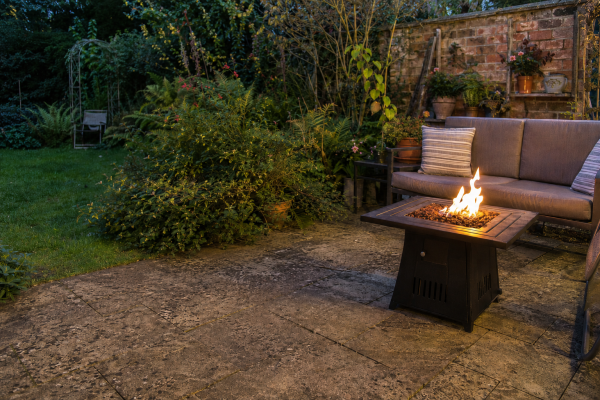
Patio heaters Patio gas or propane 5kg and 13kg Outdoor heating, patio heaters and fire pits
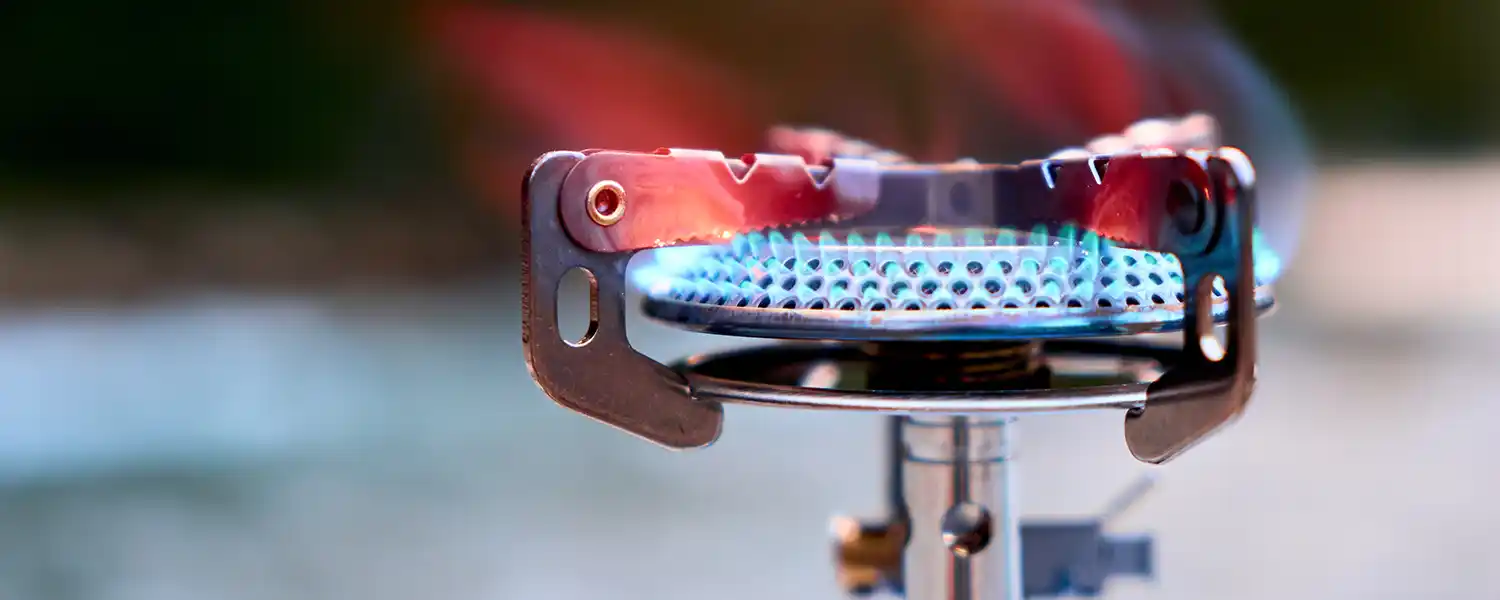
Camping Campingaz, butane or portable gas 901, 904, 907 and portable canisters Camping stoves, lights and portable appliances
Caravans & motorhomes Propane or butane, depending on the appliance 3.9kg, 6kg, 7kg and 13kg Touring, campsite stays, cooking and heating
Home & garden Propane or butane, depending on the appliance Varies by appliance Outdoor appliances, DIY use and garden equipment

As well as choosing the correct gas type, consider how often you’ll use the appliance. Smaller bottles are generally easier to transport and store, while larger cylinders reduce the need for frequent replacements. If you regularly use outdoor heating or cook on a gas BBQ throughout the year, a larger bottle may offer better convenience.

Propane or Butane: Which Gas Do You Need?

Propane and butane are both widely used for domestic gas appliances, but they are not always interchangeable. The best choice depends on your appliance, the time of year and where the bottle will be stored or used.

Propane

Propane is often the preferred option for outdoor use because it performs better in colder temperatures. It is commonly used for BBQs, patio heaters, caravans, outdoor appliances and some home or garden equipment.

Propane may be the better choice if you need gas for year-round outdoor use or for an appliance that will be used in cooler weather.

Butane

Butane is commonly used for portable appliances and is often suited to milder conditions. It can be a practical choice for camping, leisure use, indoor heaters and compatible portable appliances, depending on the connection and manufacturer guidance.

Butane may be suitable if your appliance specifically requires it and you are using it in the right conditions.

Businesses using gas daily may also wish to keep a spare cylinder on site to minimise downtime during busy periods.

Commercial Gas Bottle FAQs

Many gas BBQs use patio gas or propane, commonly in 5kg or 13kg sizes. A smaller bottle may be enough for occasional use, while a larger bottle is usually better for regular outdoor cooking. Always check your BBQ manual and regulator connection before ordering.

Patio heaters commonly use patio gas or propane. A 13kg bottle is often useful for regular use, while a smaller option may be more convenient if you need something easier to move, store or use occasionally.

In many cases, patio gas can be used for BBQs, but it depends on your BBQ and regulator connection. Check your appliance instructions and make sure the bottle is compatible before connecting it.

Propane is often better suited to outdoor and colder-weather use. Butane is more commonly used for portable appliances and milder conditions. The right option depends on your appliance, the regulator and where you plan to use the bottle.

The right size depends on your appliance, storage space and how often you use gas. Smaller bottles are easier to move and store, while larger bottles are usually more convenient for regular BBQ, patio heater or caravan use.

Gas bottles are often stored outside, but they should be kept upright, secure and away from heat sources, drains, openings and anything that could damage the cylinder. Always follow the safety guidance provided with your bottle and appliance.

Gas Bottles Direct offers free delivery across eligible local areas. Availability can depend on your location and the products ordered, so check the delivery information before placing your order or contact the team for advice.

If you have an empty cylinder, check whether it can be exchanged for a suitable replacement. If you are unsure, contact the team with the bottle details before ordering so we can help you choose the correct option.